1964 World's Fair
A multi-year independent project reconstructing the 1964-65 New York World's Fair in AR, using 3D modeling and photogrammetry to revive the lost structures of Flushing Meadows-Corona Park.
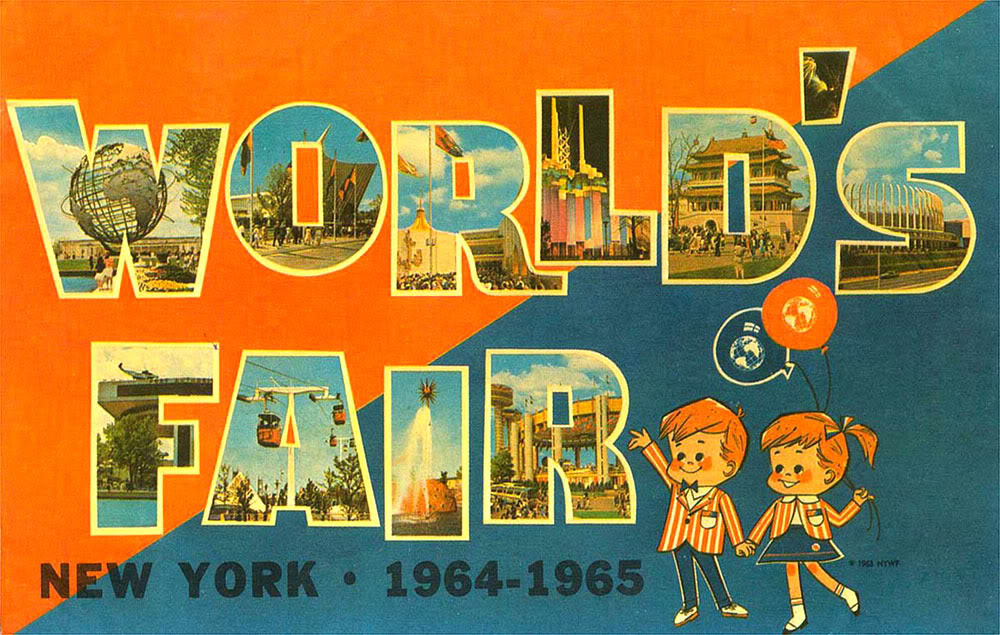
1964 New York World's Fair - Official Postcard
The Origin
From Queens, For Queens
Growing up in Queens, Flushing Meadows-Corona Park was always just the park. The Unisphere was a landmark you drove past. The rusting towers of the NY State Pavilion were just there - no one really talked about what they were. Friends didn't know the history. There's not much left of the Fair, but what happened here in 1964 was one of the most important cultural moments in American history - 51 million visitors, 80 nations, the Space Age made real.
The idea was simple: use the technology of today - the actual "World of Tomorrow" that the Fair promised - to bring it back. Not as nostalgia, but as an accessible, educational, cultural experience that anyone can walk through. Revive the Fair exactly where it happened, using AR to make the invisible past visible again. Promote the original vision: peace through unity.
The Vision
The idea was to start small - test the technology on manageable structures, prove that AR can bring historical architecture back to life at the exact locations where it once stood. Then scale up to the most significant structures, and eventually build a full walkable reconstruction of the Fair grounds.
Each phase pushed the technology further, from simple 3D overlays to full architectural reconstructions with AI-guided tours, wearable spatial computing, and international outreach.
First Tests
The project started with smaller-scale location tracking experiments. The Astral Fountain and Vatican Pieta were the first structures reconstructed - manageable in scope but complex enough to test the fundamentals: GPS-based placement, ground-plane alignment, real-time rendering performance, and visual effects layered over the real environment.
Astral Fountain
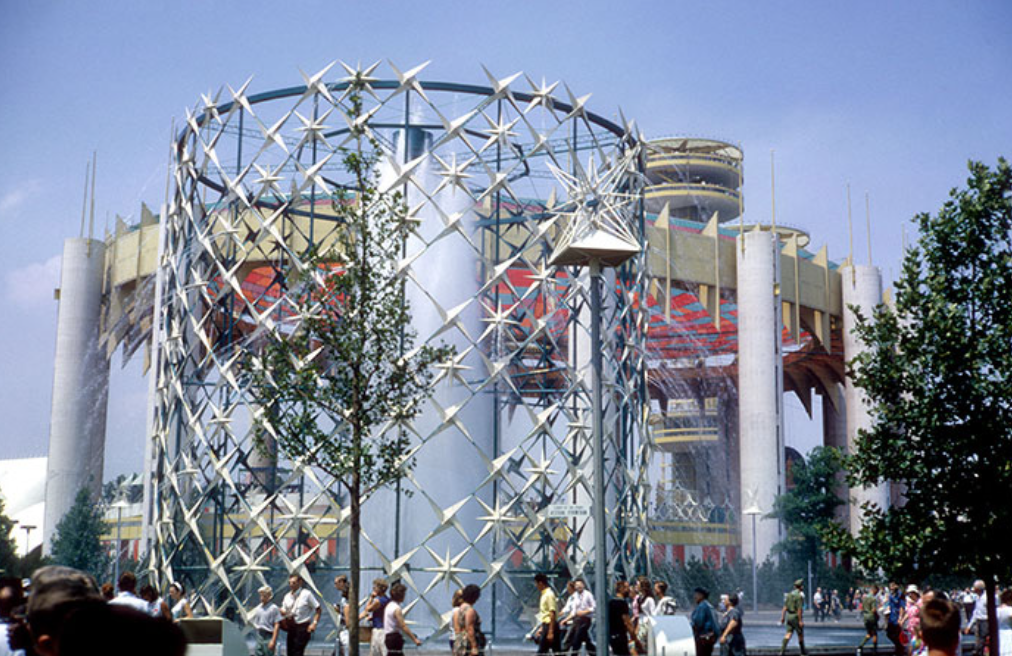
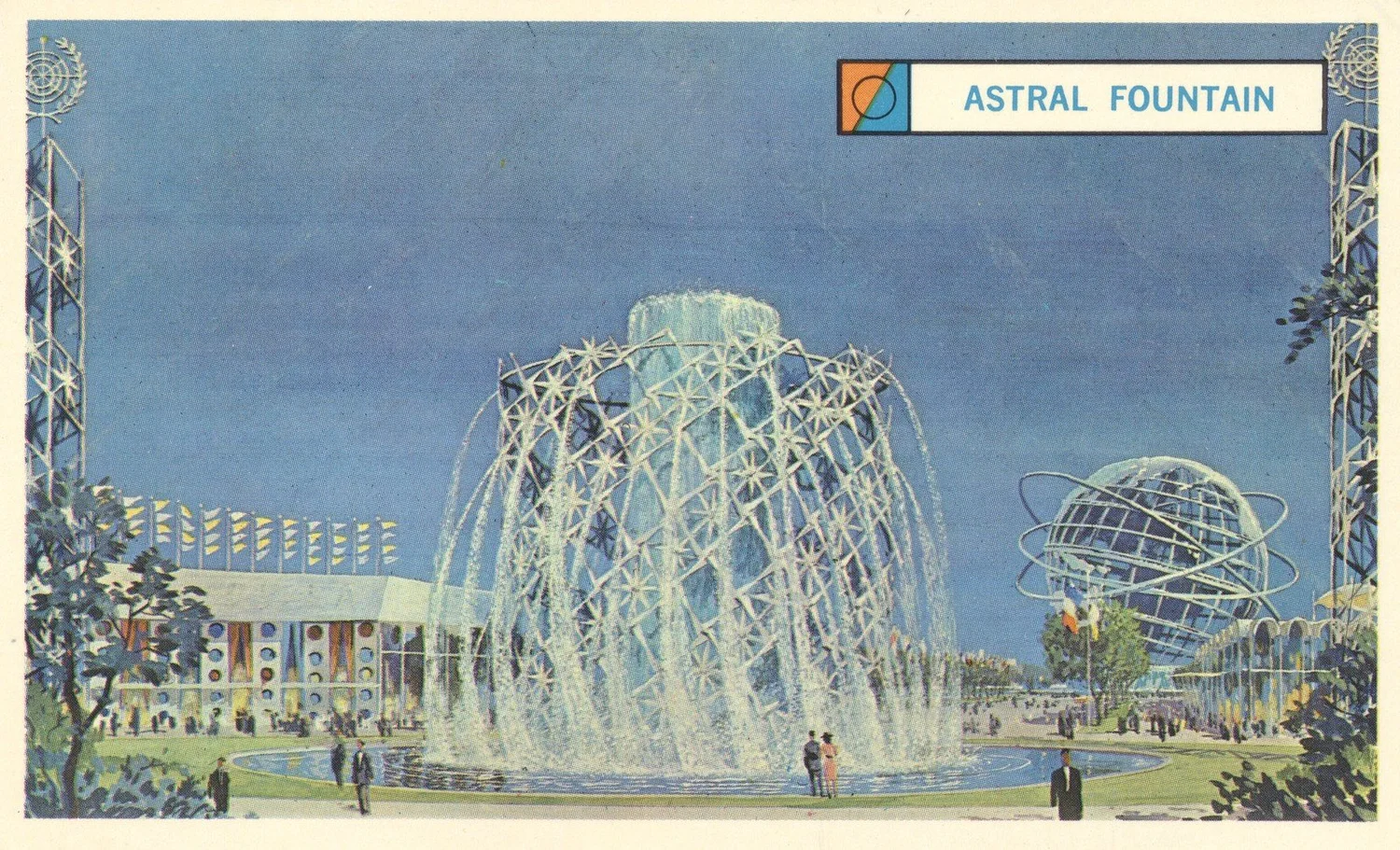
One of the Fair's spectacular water features, reconstructed from archival photographs and engineering documentation. The digital version recreates the fountain's cascading tiers and lighting effects. A proof of concept for placing architectural-scale 3D models in real-world space.
Vatican Pieta
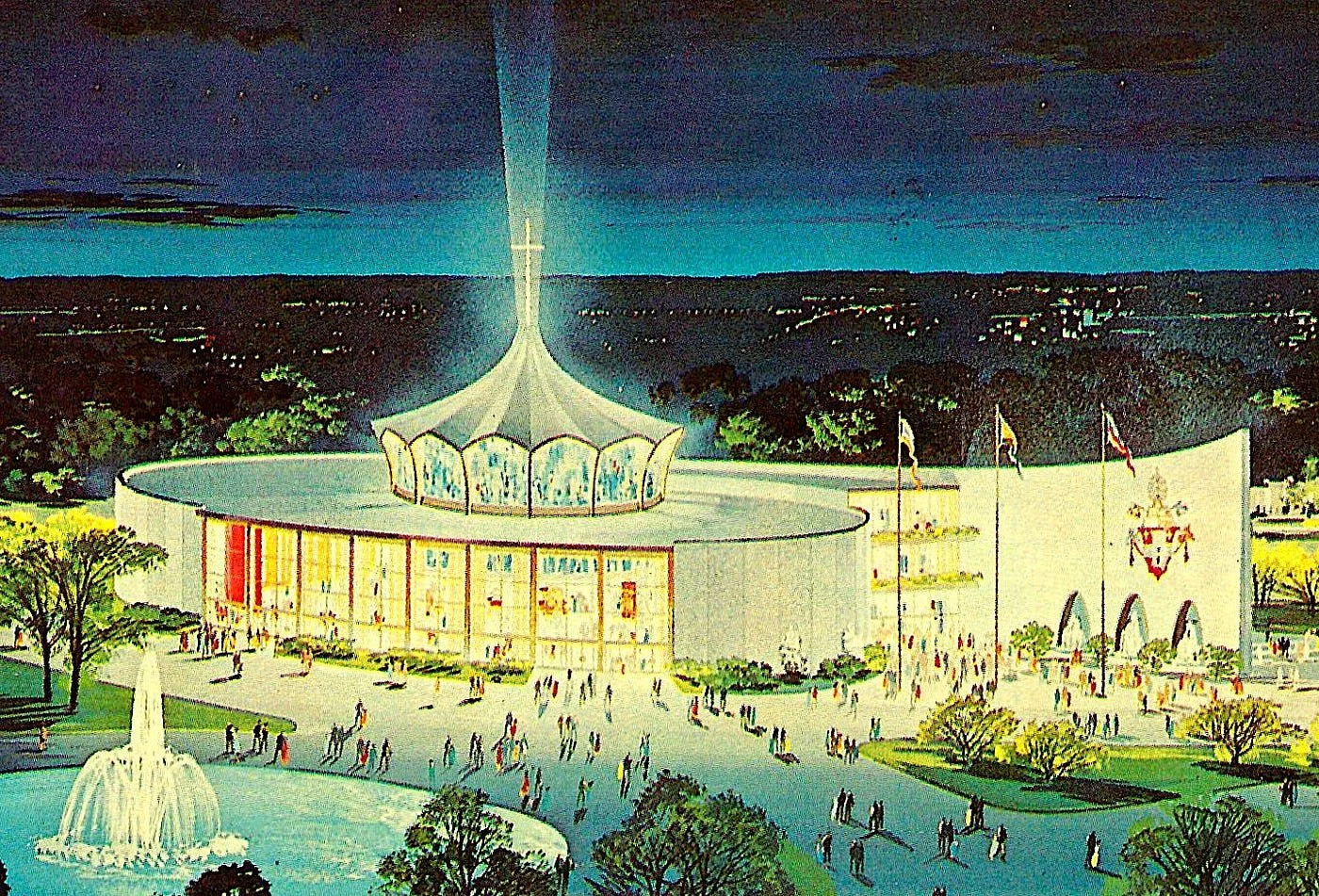
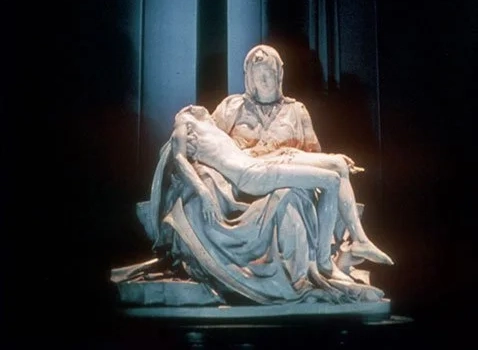
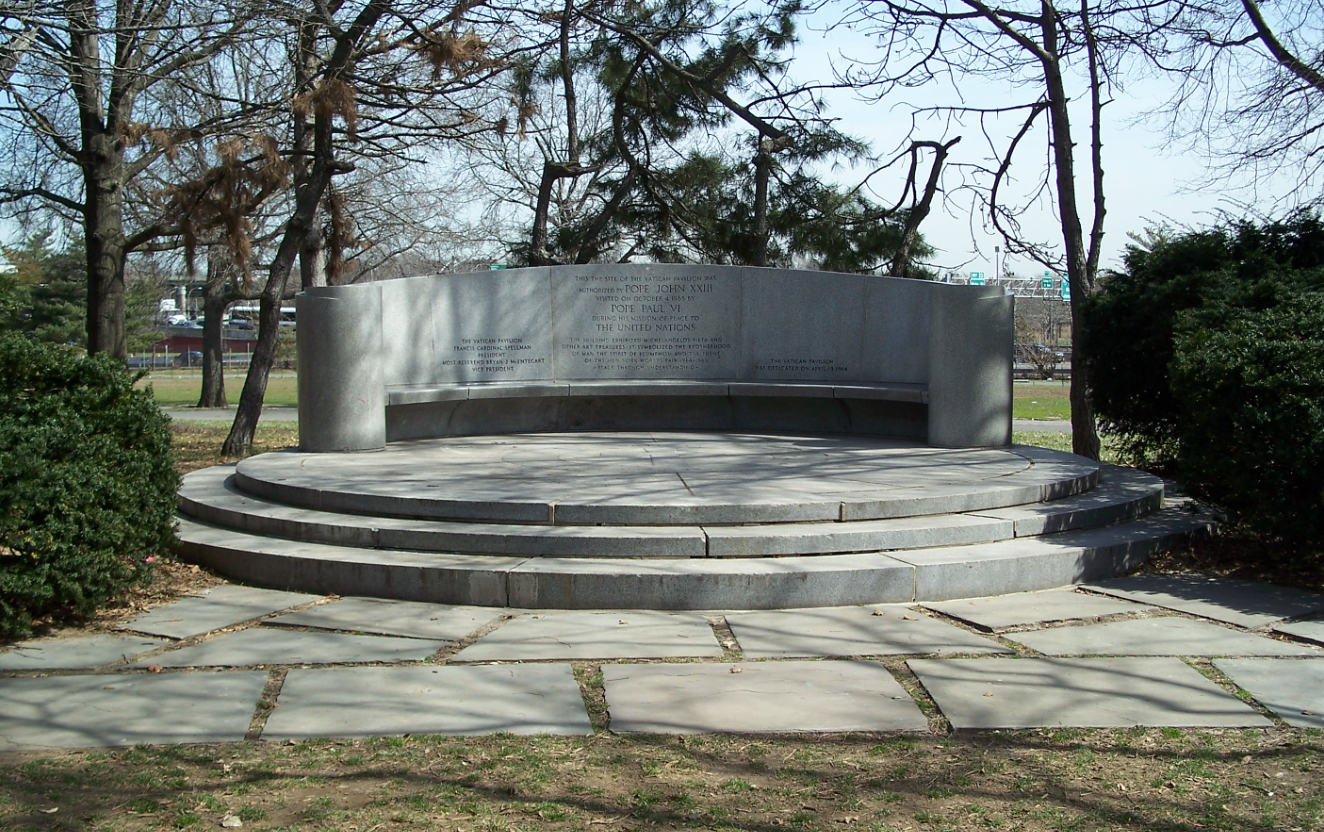
Michelangelo's Pieta was displayed at the 1964-65 World's Fair - the only time it has ever left the Vatican. The 3D reconstruction recreates the sculpture and its exhibition pavilion, preserving a historically unique installation.
Scaling Up
With the fundamentals proven on smaller structures, the next challenge was scale. The Unisphere required testing tracking persistence over larger areas, maintaining model stability at architectural scale, and optimizing file sizes for complex geometry that needed to load and render in real-time on mobile devices.

Unisphere
The 140-foot stainless steel globe - the centerpiece of the Fair and the enduring symbol of Flushing Meadows-Corona Park. Reconstructed from archival photography and contemporary photogrammetry scans, the digital model includes the surrounding fountain pool and rocket towers. The first real test of large-scale tracking persistence and spatial accuracy.
The Queens Museum Gala
The Queens Museum sits inside the park, on the actual Fair grounds - the natural home for this project. When a Queens Museum gala was announced, it was the right opportunity to present directly to decision-makers, donors, and patrons. Every person at that event who would listen got a live demo.
When prepping for this endeavor, the research went deep into the history of the Fair and Walt Disney's involvement. Disney was instrumental in the 1964 World's Fair - he debuted four major attractions, including "it's a small world" and the Great Moments with Mr. Lincoln animatronic, all of which later became permanent fixtures at Disneyland. His presentations to the Fair committee were legendary - polished, intentional, every detail considered. That energy became the blueprint.
Channeling that inner Walt meant showing up in a suit inspired by his presentation style - blue, clean lines, all about the details. A 64WF pin on the lapel. Prepared to pitch the idea to anyone who would lend some time. If Disney could walk into a room and sell the future, the least you can do is show up looking like you believe in yours.
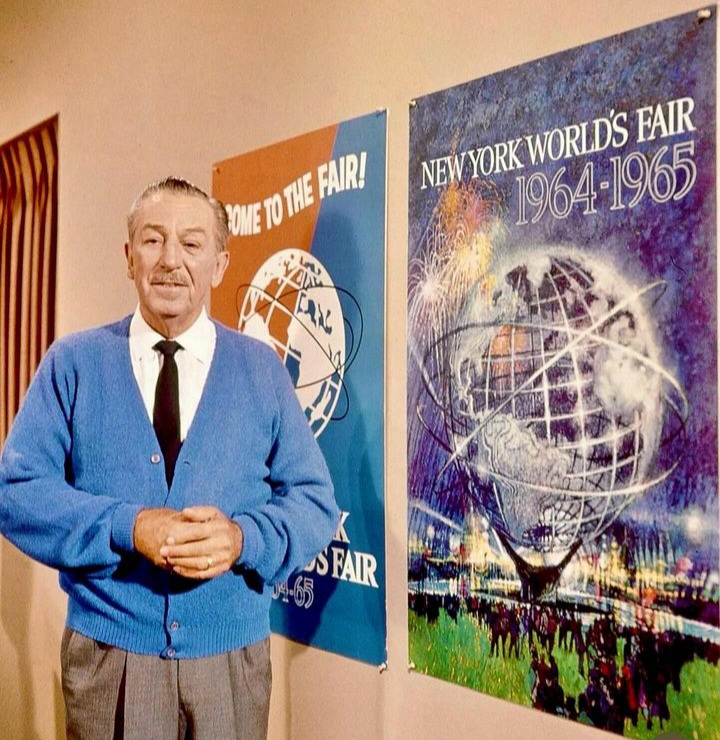
Walt Disney, 1964
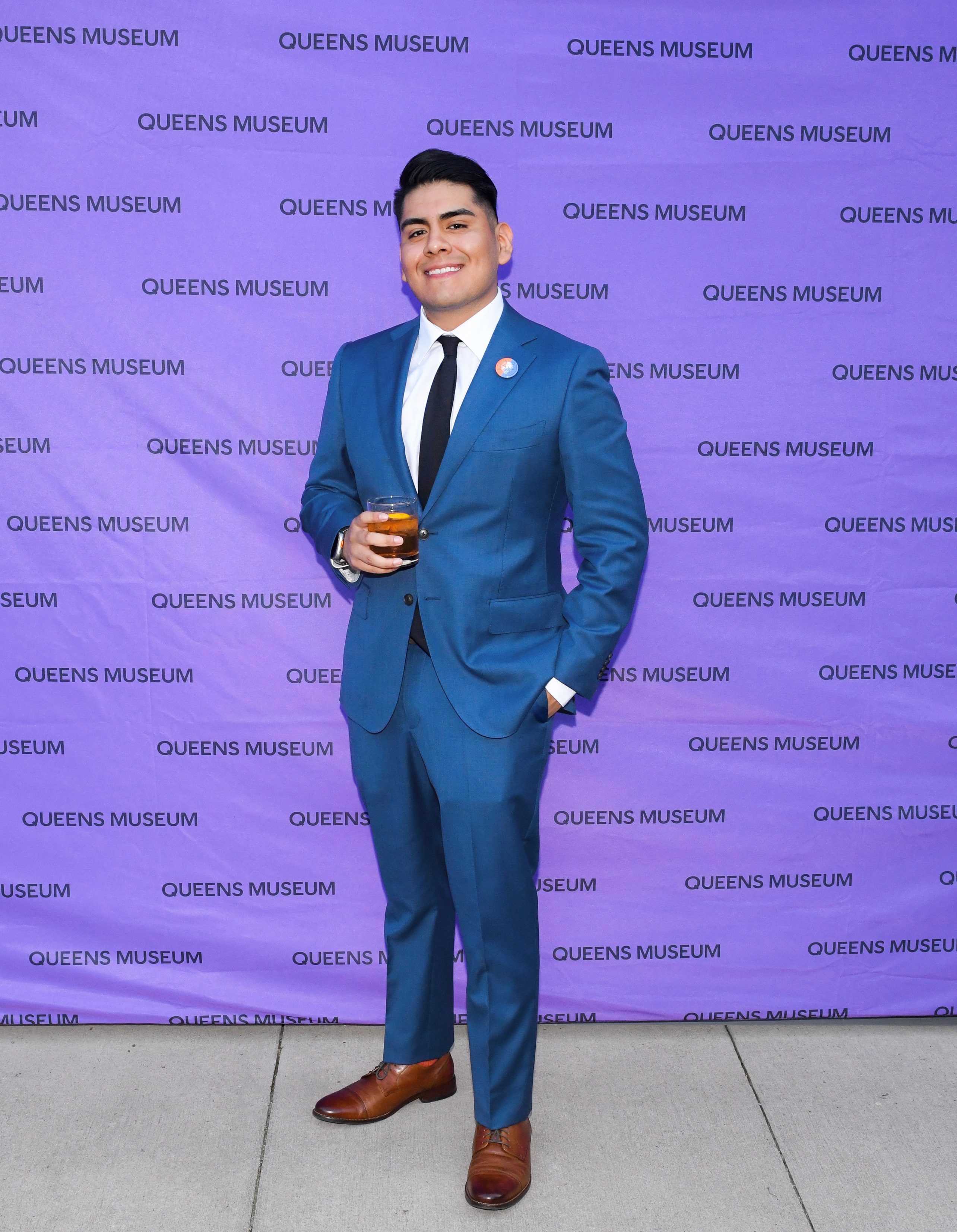
Queens Museum Gala, 2023
The audience at museum events skews older - not necessarily familiar with social media filters or AR on their phones. A live demo is one thing, but they needed something to take home. Within days, a set of business cards was designed in the style of vintage 64WF postcards - on the back, a QR code linking to a WebAR experience that used Image Marker Tracking to anchor a 3D model of the New York State Pavilion and Unisphere directly onto the card itself. Hold the card up to your phone camera, and the Fair comes to life in your hand. A physical object that doubles as a portable AR demo - designed so anyone, regardless of technical ability, could experience the project firsthand. Every detail strategic, every touchpoint considered.
The project didn't gain the traction or institutional support initially hoped for, but the work continued - each version better than the last, the technology catching up to the vision. The best way to build momentum is to keep building.


Image Marker Tracking - AR Business Cards
The Jordan Pavilion
The focus shifted entirely to the Jordan Pavilion - the most historically significant structure in the project and the one with a physical anchor still standing in the park. The Column of Jerash - a genuine ancient artifact brought from the ruins of the Roman city of Gerasa - still stands in Flushing Meadows-Corona Park, serving as the physical anchor point for the AR tracking. The full reconstruction includes the pavilion exterior, interior spaces, garden, and the Mural of a Refugee.
Why the Jordan Pavilion
The Jordan Pavilion became the primary focus for a reason. It still has a pillar standing in the park - one of the few remaining physical artifacts from the Fair. More importantly, the 1964 theme was "Peace Through Unity," and even then, the Jordan Pavilion highlighted the Palestinian struggle through its famous Mural of a Refugee. That message carries forward.
Starting with Jordan also meant starting with something tangible - a physical anchor point in the park that visitors can stand beside while the digital reconstruction rises around them. The pillar becomes the bridge between what was and what the technology can show.
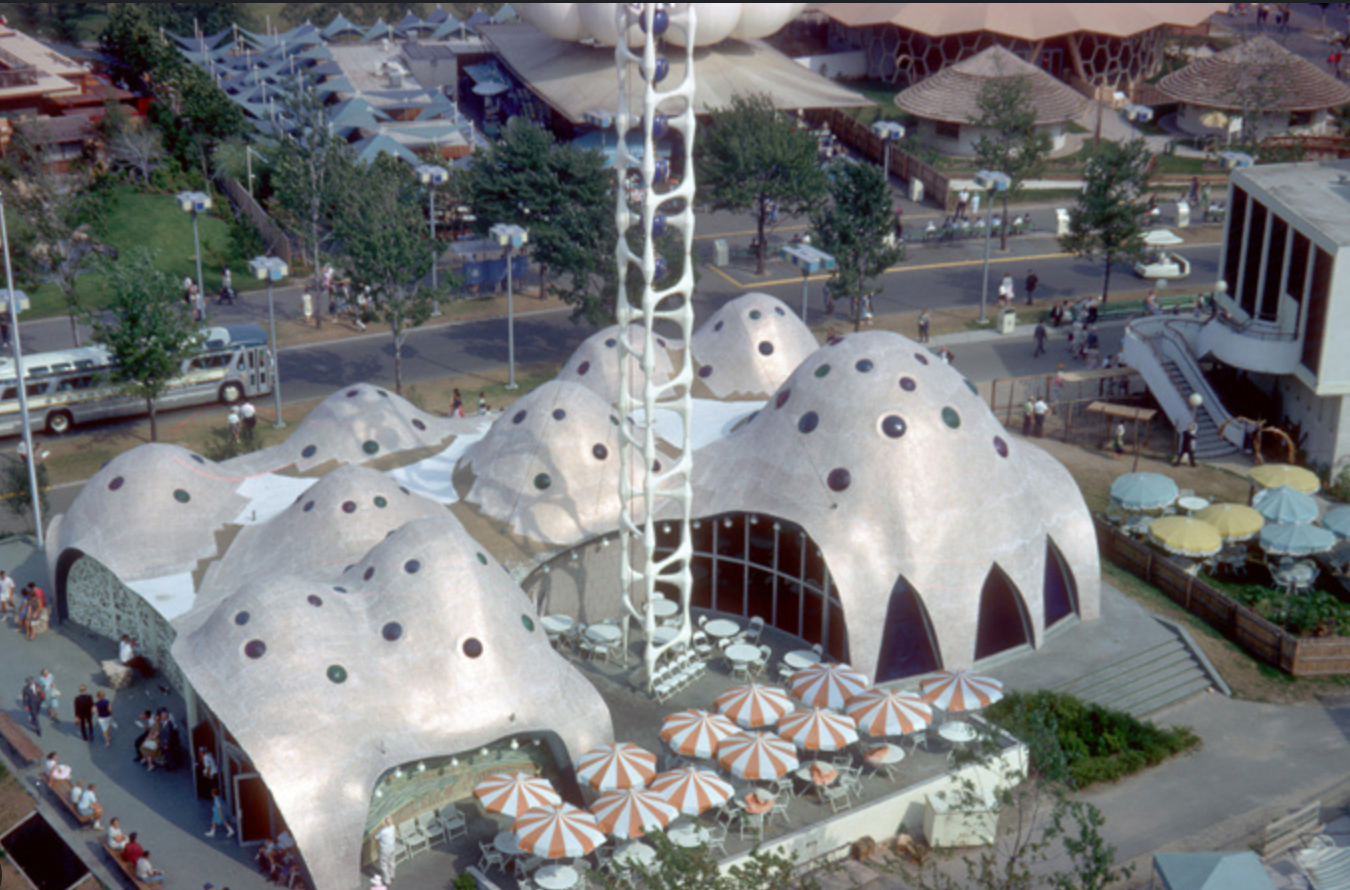
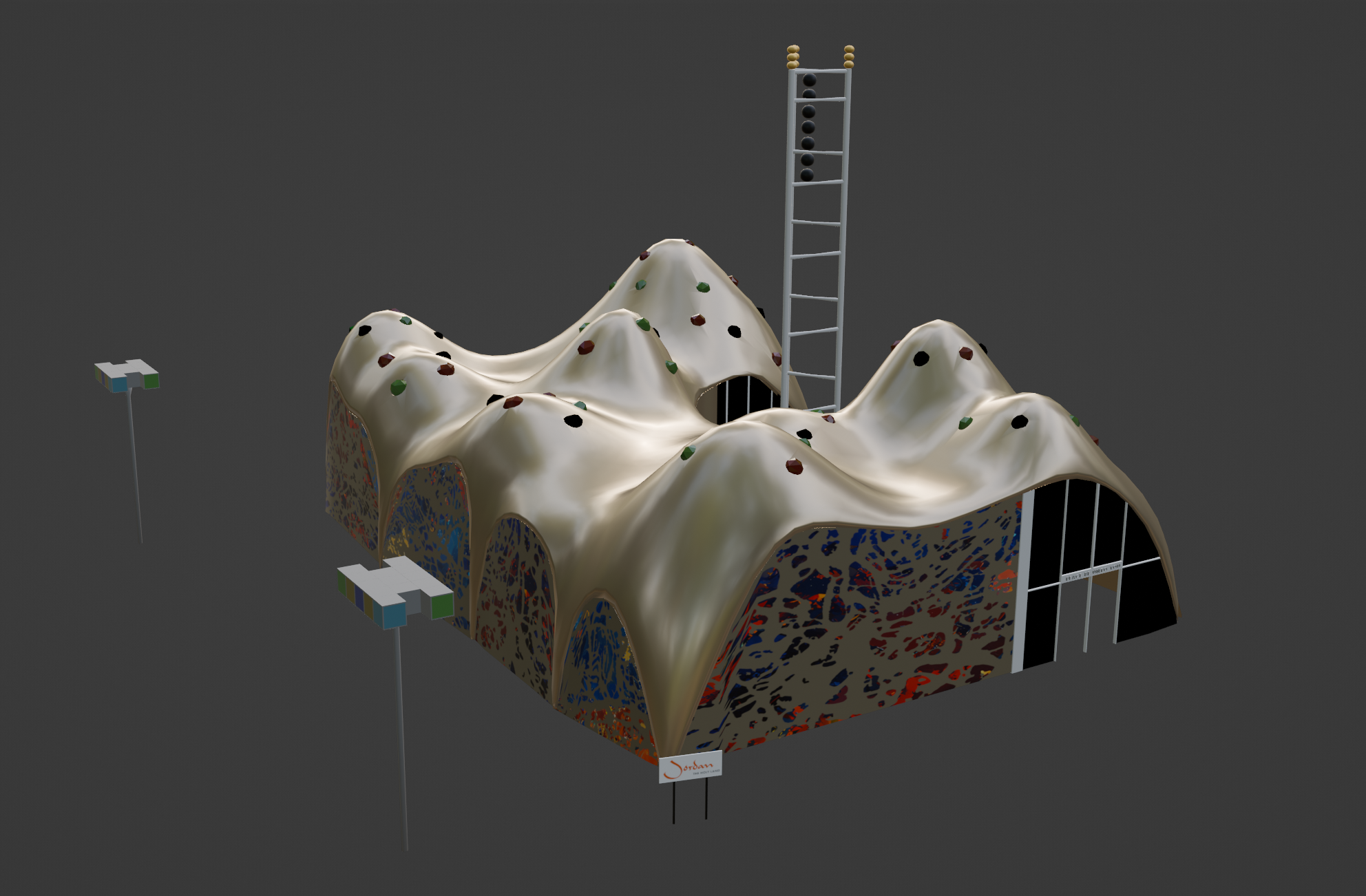
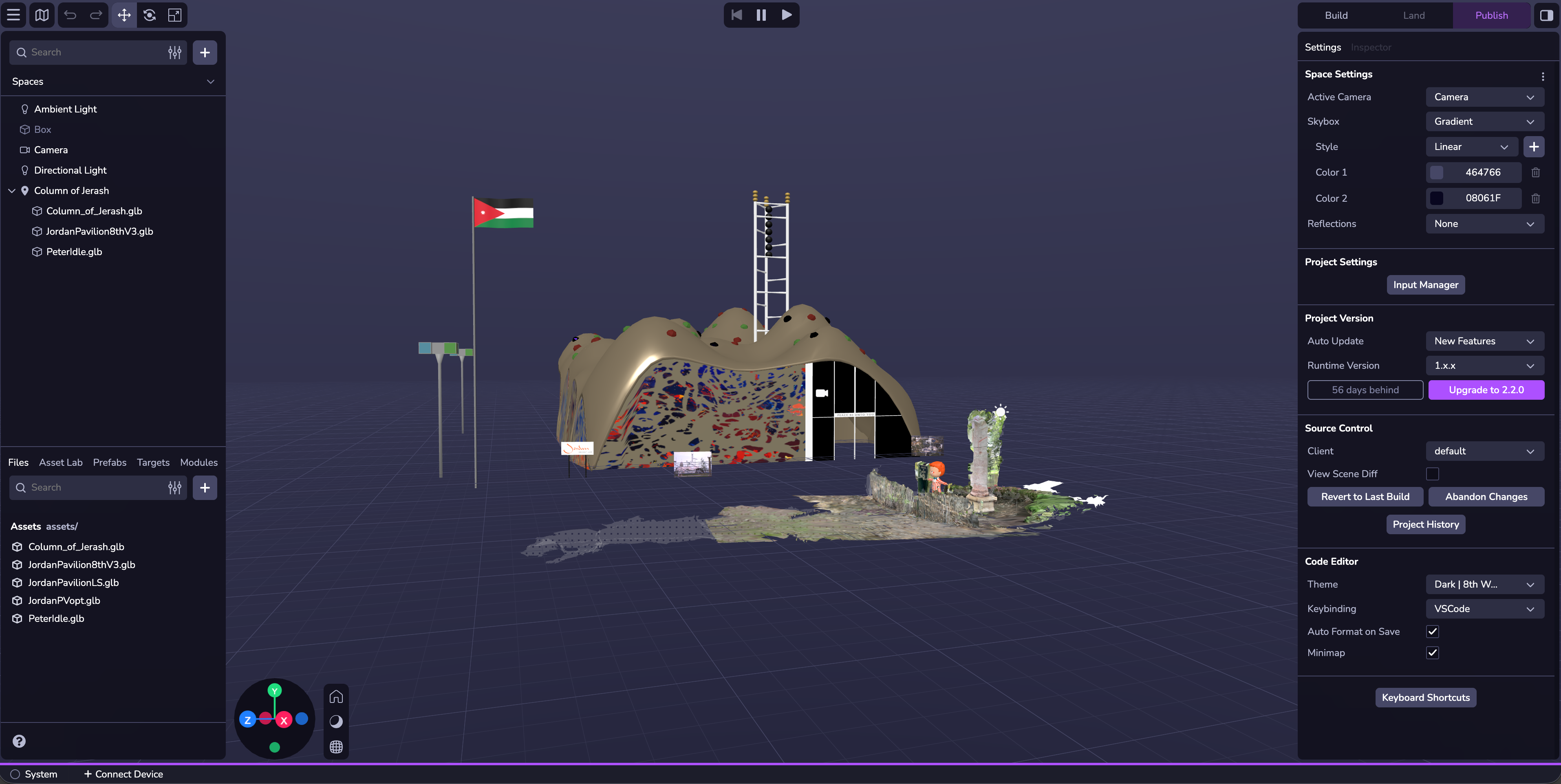
8th Wall Scene: Jordan Pavilion with Column of Jerash anchor and Peter AI
The Column of Jerash
One of the last remaining physical artifacts from the 1964 World's Fair still standing in the park. The column is the anchor point for the Jordan Pavilion AR reconstruction - scanned with photogrammetry to create a precise digital twin that locks the full pavilion model to its exact real-world location. Stand next to the column, and the pavilion rises around you.
Spectacles & Peter AI
The project evolved to Snap Spectacles - moving from phone-based AR to spatial computing on wearable glasses. But the biggest leap was Peter: an AI guide trained on comprehensive World's Fair data. Peter can answer questions about any structure, any event, any detail from the 1964-65 Fair - in any language. The vision of breaking language barriers and making the Fair accessible to anyone, anywhere, became real.
Peter AI Guide
An AI assistant trained on comprehensive World's Fair historical data. Visitors can ask Peter about any structure, event, or detail from the 1964-65 Fair. Responds in any language, breaking accessibility barriers and making the experience available to a global audience.
Snap Spectacles
Moving from phone-based AR to wearable spatial computing. Spectacles allow hands-free exploration of the reconstructed Fair - the models exist in physical space around you, persistent and explorable as you walk through the park.
Osaka World Expo 2025
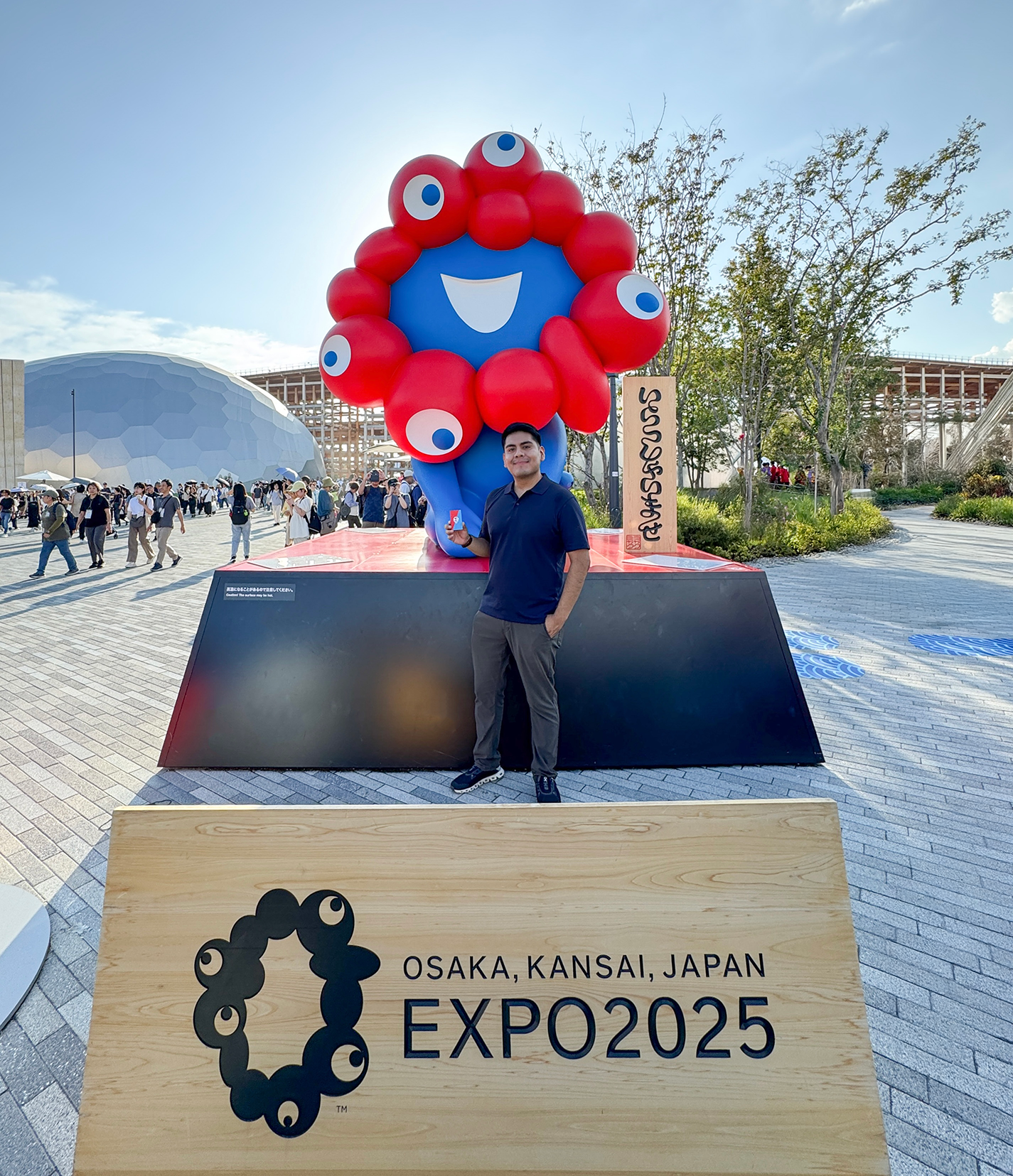
When the 2025 Osaka World Expo was announced, it represented the first global World's Fair since this project began. The Jordan Pavilion would have a presence. The opportunity to connect with people associated with the Fair tradition made the trip essential - a solo international journey with the goal of presenting the project to the right audience.
The Jordan Pavilion at Osaka was reservation-only and fully booked. After scoping it out, a pattern emerged - people were coming out of a side door and putting their shoes back on. So the play was simple: take the shoes off, walk in through the exit like it was the most natural thing in the world, and work backward into the pavilion.
Once inside, it was about finding the right person. An employee listened to the story - the years of independent work, the journey from Queens, the mission to reconstruct the 1964 Jordan Pavilion. He brought it to his manager. They brought it to the office. What started as initiative became a presentation to members of the Jordan Pavilion team about a project built thousands of miles away, years before this moment was even possible.
SHARP Memories
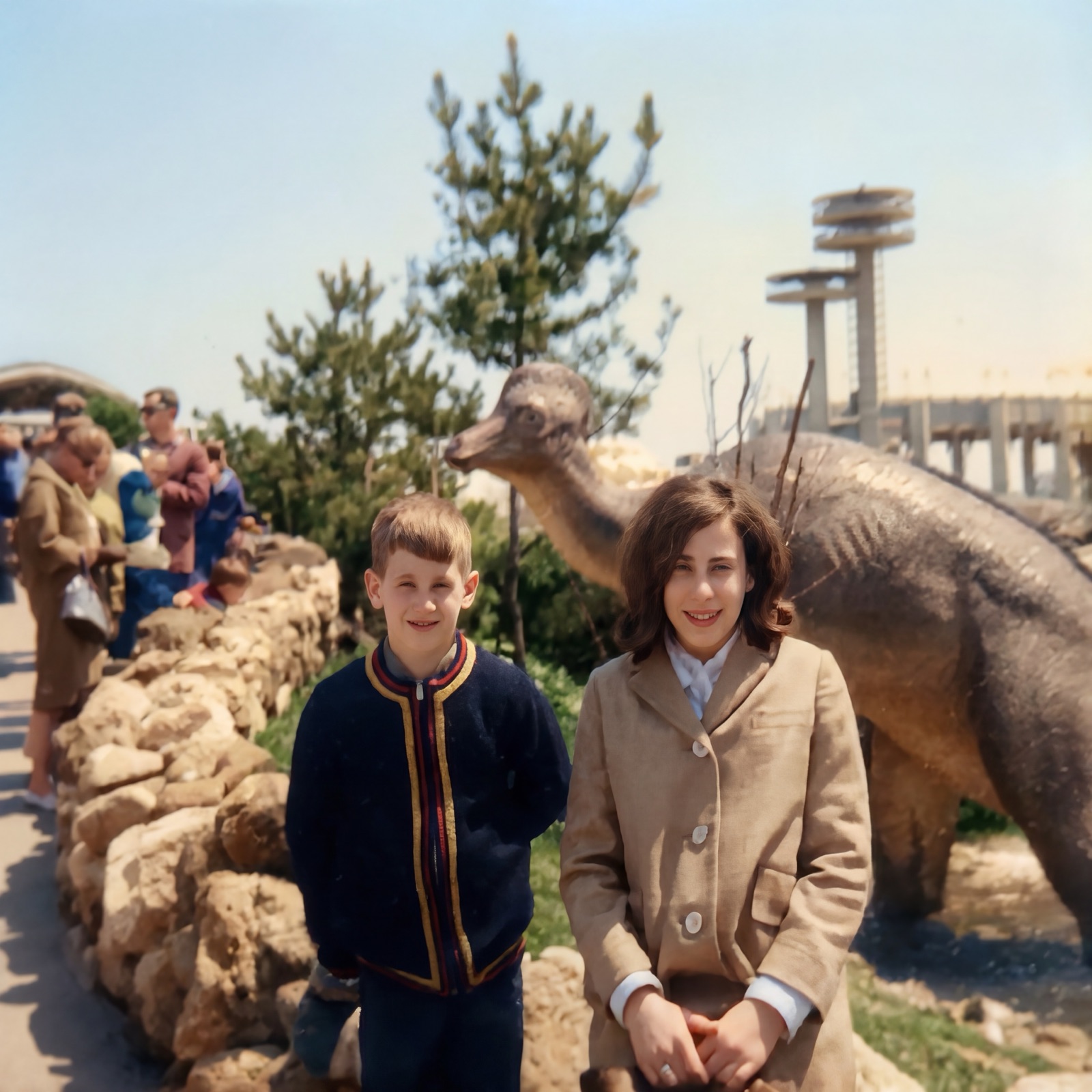
For five years the project has rebuilt structures from scratch. This phase approaches preservation from the opposite direction: restoring archival photographs of the Fair and reconstructing the spaces around them.
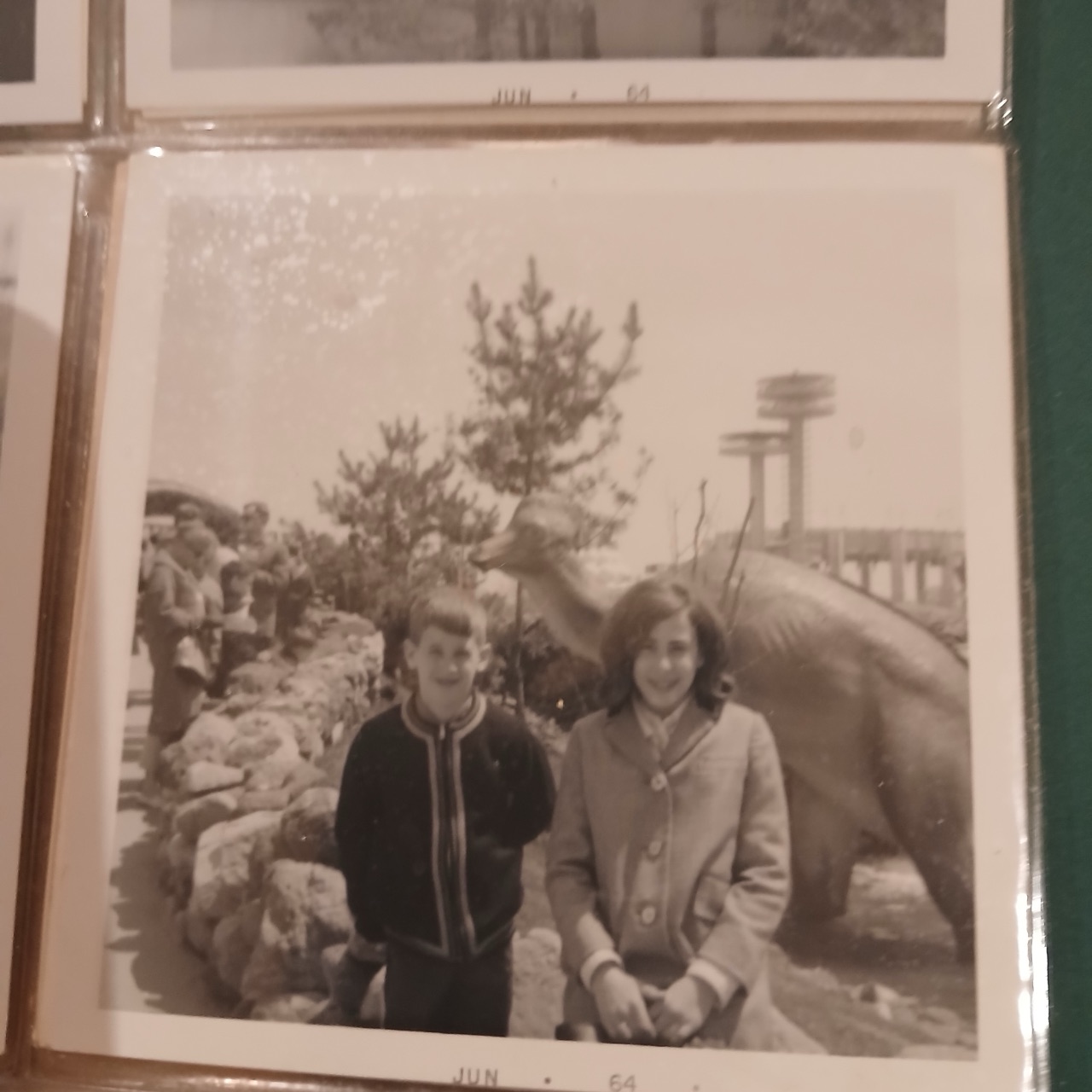
The first source material was a family album of 1964 Fair photographs. Each image was manually cleaned, enhanced with AI restoration, then processed through Apple's SHARP model to generate Gaussian Splats. The result is a walkable 3D scene that places a viewer exactly where the original photographer stood, six decades later.
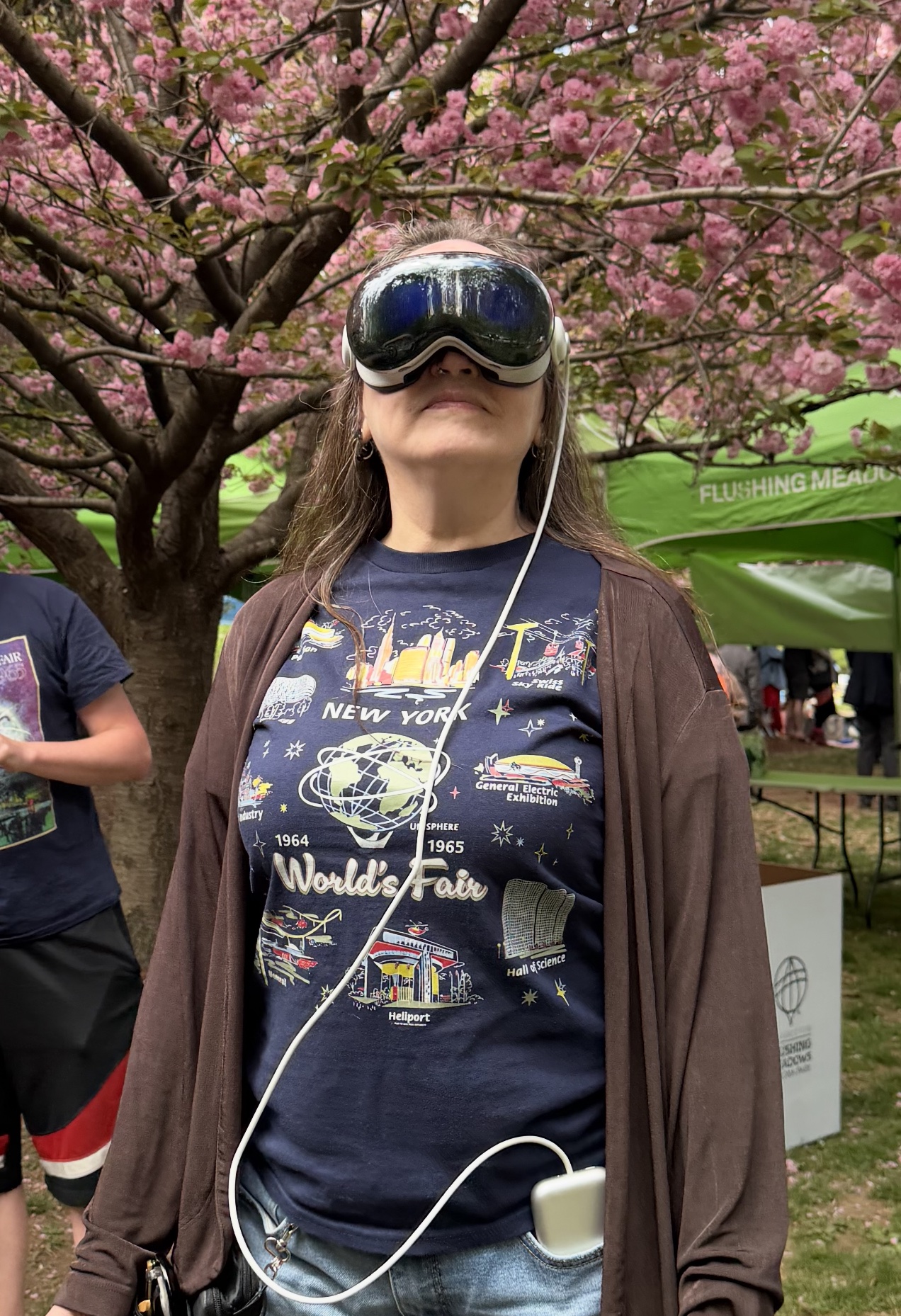
The splats were brought into the Apple Vision Pro for first-time public trials, turning a single page from the album into an immersive room. Reconstruction and restoration are two paths to the same goal: keeping the Fair alive for the people who never saw it.
Project Timeline
First 3D models (Astral Fountain, Vatican Pieta). Early AR tests on Spark AR and Snap.
Unisphere and NY State Pavilion at scale. 8th Wall migration. AR business cards at the Queens Museum Gala.
Full Jordan Pavilion reconstruction. Photogrammetry scan of the Column of Jerash.
Snap Spectacles migration. Built Peter AI multilingual guide. Attended World Expo in Osaka, connected with pavilion teams.
SHARP Memories: restoring archival 1964 Fair photographs into walkable 3D scenes via Apple's SHARP model. First public trials in the Apple Vision Pro.
Continued research, expanded reconstruction library, Peter AI refinement, and institutional partnerships.
Tech Stack
Blender
Primary 3D modeling for architectural reconstruction, texturing, and animation
Photogrammetry
Scanning surviving structures for dimensional reference and model accuracy
Snap Spectacles
Wearable spatial computing for hands-free AR exploration of reconstructed Fair
8th Wall
WebAR framework for geo-located placement and real-time world tracking
Snap AR
Location-based AR lenses for early prototyping and public distribution
Image Marker Tracking
AR anchoring to printed materials - business cards become portable demos
Peter AI
Custom AI guide trained on World's Fair data, multilingual Q&A for visitors
Apple SHARP
Generating Gaussian Splats from archival photographs to reconstruct 3D scenes
Apple Vision Pro
Spatial computing platform for first-time immersive trials of restored scenes
Archival Sources
Queens Museum archives, period publications, engineering documents